


Marine Researchers – Ecotope and Field Tours
A program for conducting Ecotope projects in relevant high school tracks, offering workshops and research tours that provide hands-on experience in field research methods and comparative studies at sea and along the coast.
- Who is it for: High schools and middle schools
- Activity type: Workshops, Ecotope, field tours
- Duration: Varies by activity.
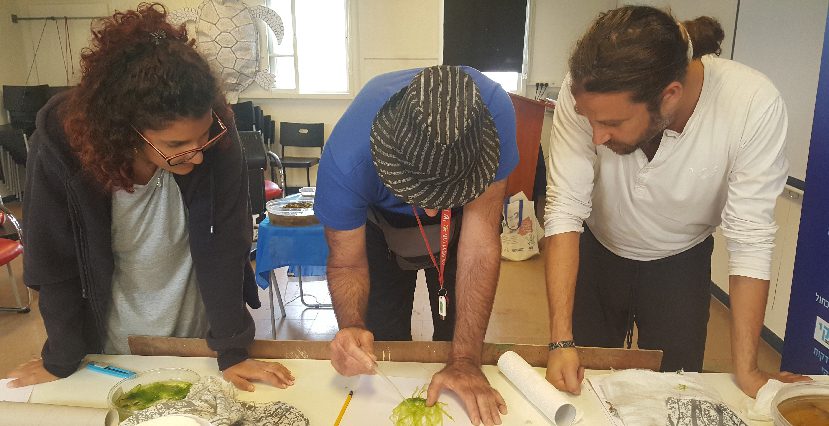
The Ecotope activity is intended for high school students in biology, environmental science, chemistry and similar tracks. It provides an introduction to the marine and coastal habitat and its characteristics, exposure to marine research methods, and hands-on experience in measuring various parameters used to study the biotic and abiotic characteristics of the investigated environment.
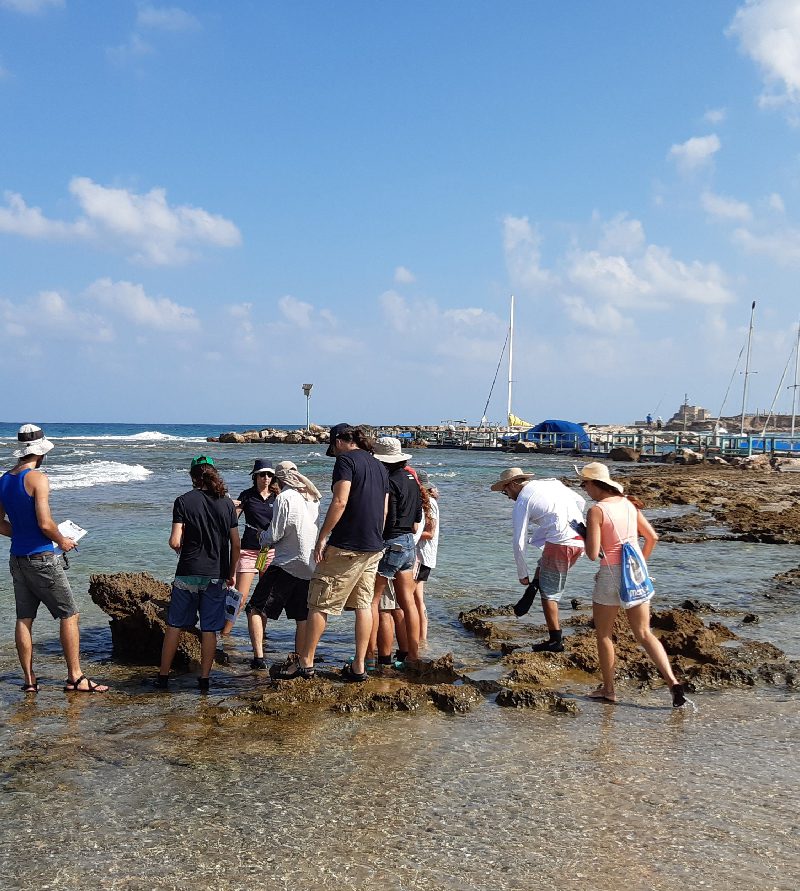
Environmental workshops focus on the physical and biological aspects of different habitats including the impact of human stressors. Students will gain experience in various field research methods, measuring and comparing different physical and/or chemical parameters that reflect the state of the environment Suggested research topics include: the Hadera stream estuary, solid waste on the beach, environmental impacts of the Hadera power plant and desalination facility, and the intertidal rock platforms along the coast.Research tours focus on ecological exploration, offering students a comprehensive introduction to the rocky coastal habitat and its defining features. Participants gain insight into the biological processes shaping the coastal zone and its interface with the sea, while acquiring hands-on experience in marine research methodologies, including the collection and analysis of both abiotic and biotic parameters within the coastal environment.
Students examine the adaptive strategies of plants and animals inhabiting this ecosystem and study the complex interactions among the region’s diverse organisms. Aligned with the Ministry of Education’s Biology Inspectorate guidelines, the tour also features a lecture on the unique characteristics of the Mediterranean Sea and an overview of the marine food web in the area. An optional extension includes exploring the “open sea” habitat by boat, collecting additional data, and concluding with a plenary session to synthesize findings and finalize the research.