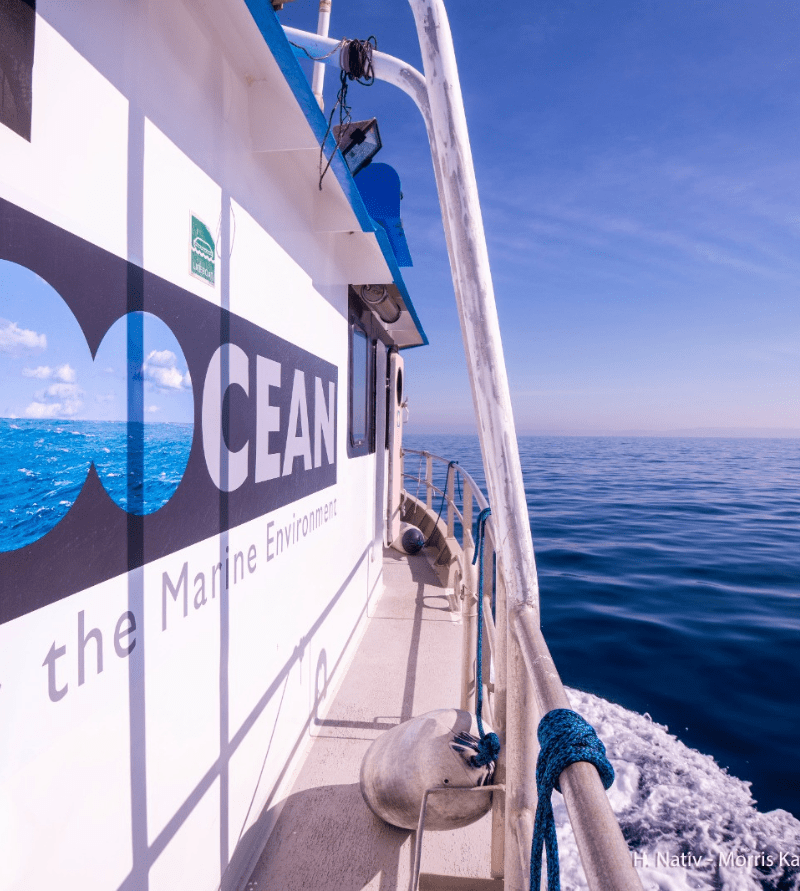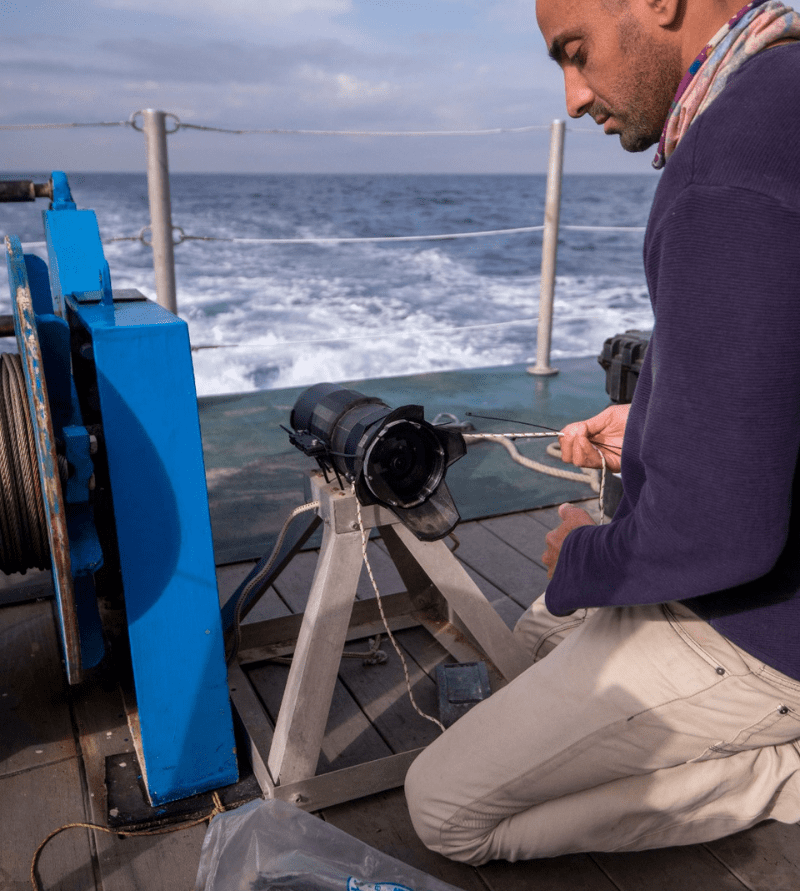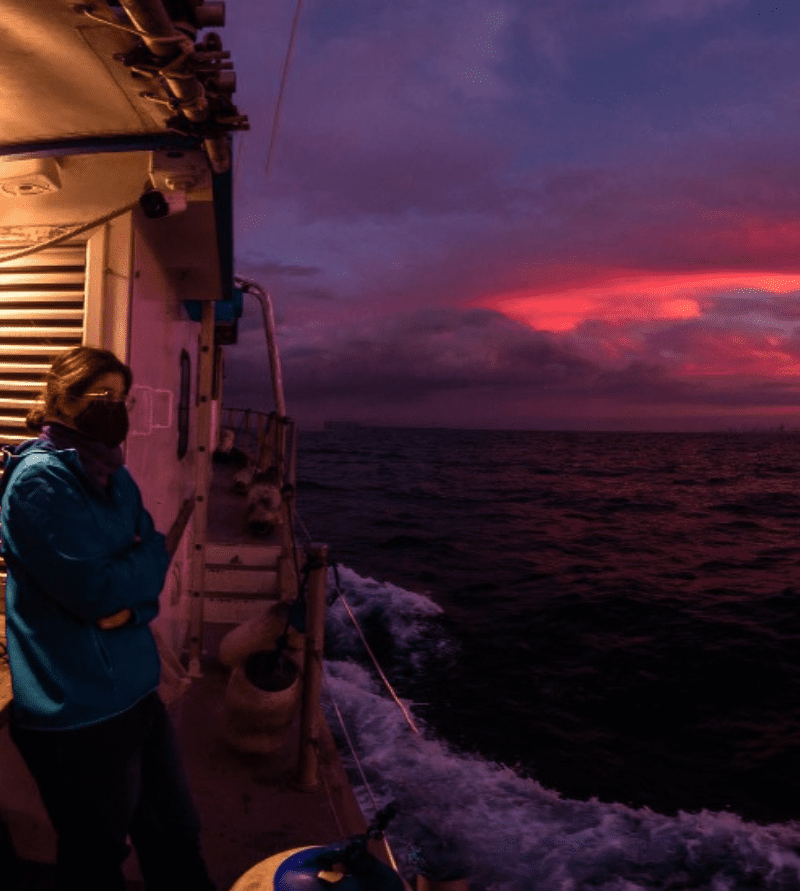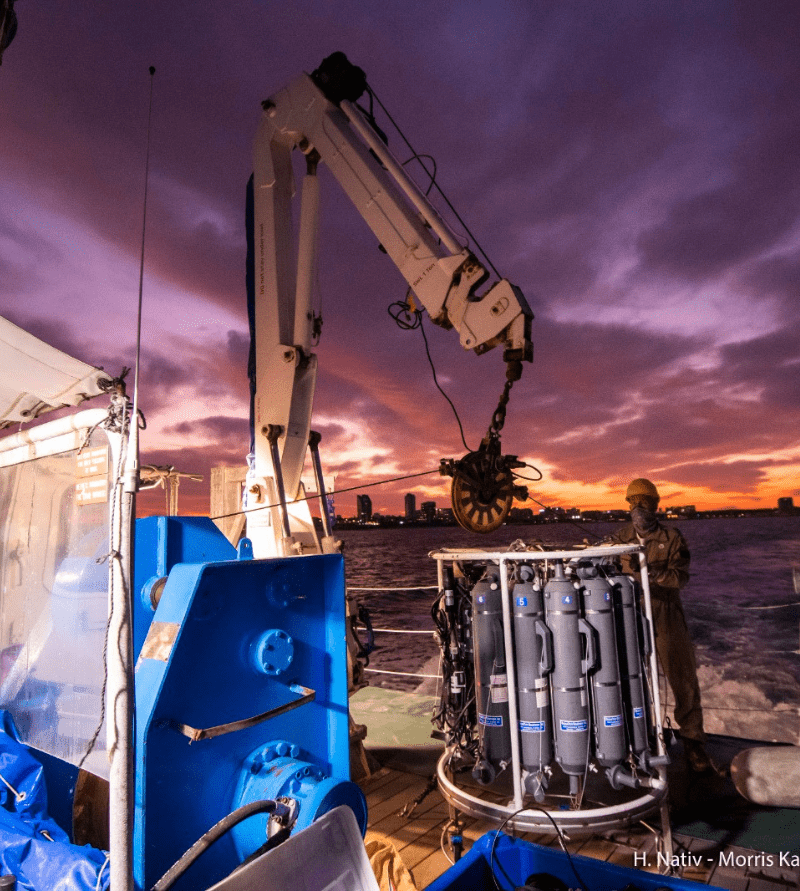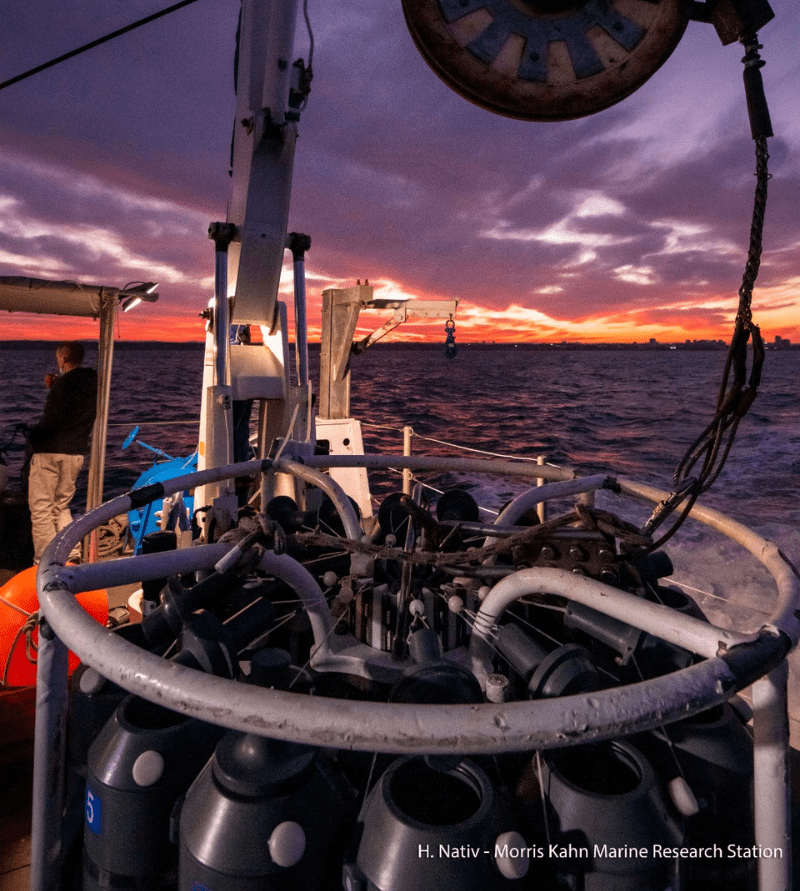



The Morris Kahn Marine Research Station, School of Marine Sciences, University of Haifa
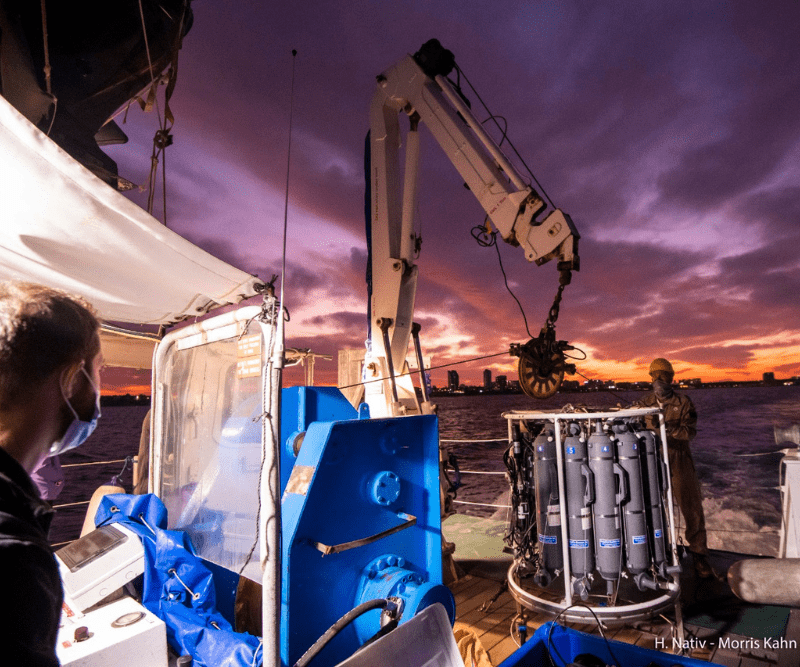
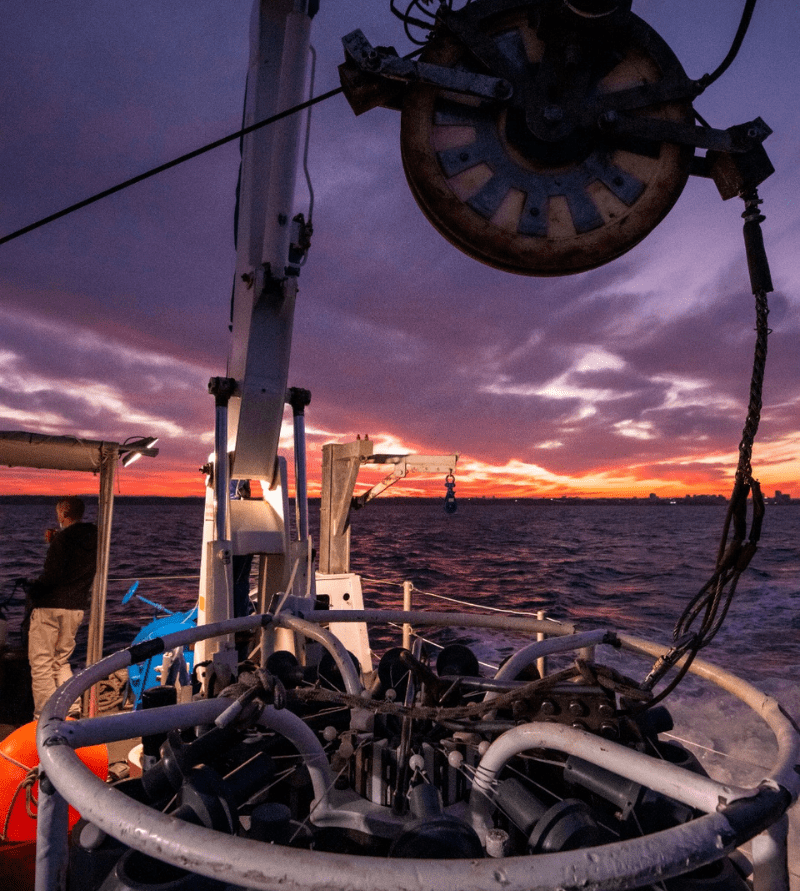
A study, led by the Chemical Oceanography Lab, which focuses on the biogeochemistry of the water column. Its goal is to trace the long-term processes influencing nutrient abundance that enables phytoplankton growth, constituting the basis for the entire marine food ecosystem. The research examines nutrient concentrations across different water layers: from the sunlit surface waters, often fully depleted by algae and bacteria, down to depths below 120 meters, where nutrient reservoirs begin to appear.
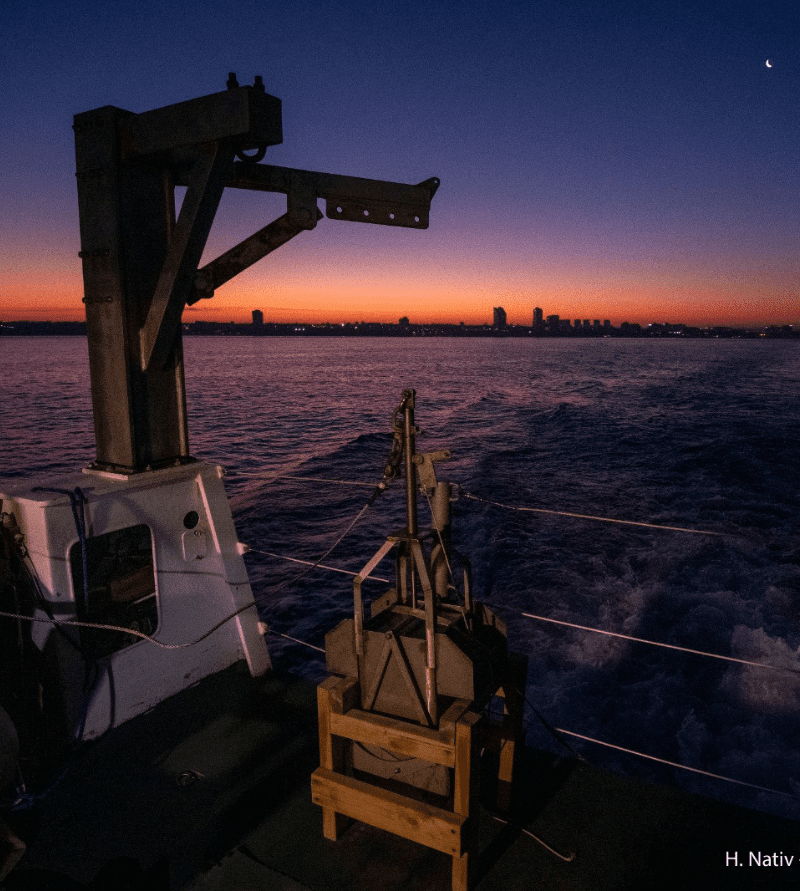
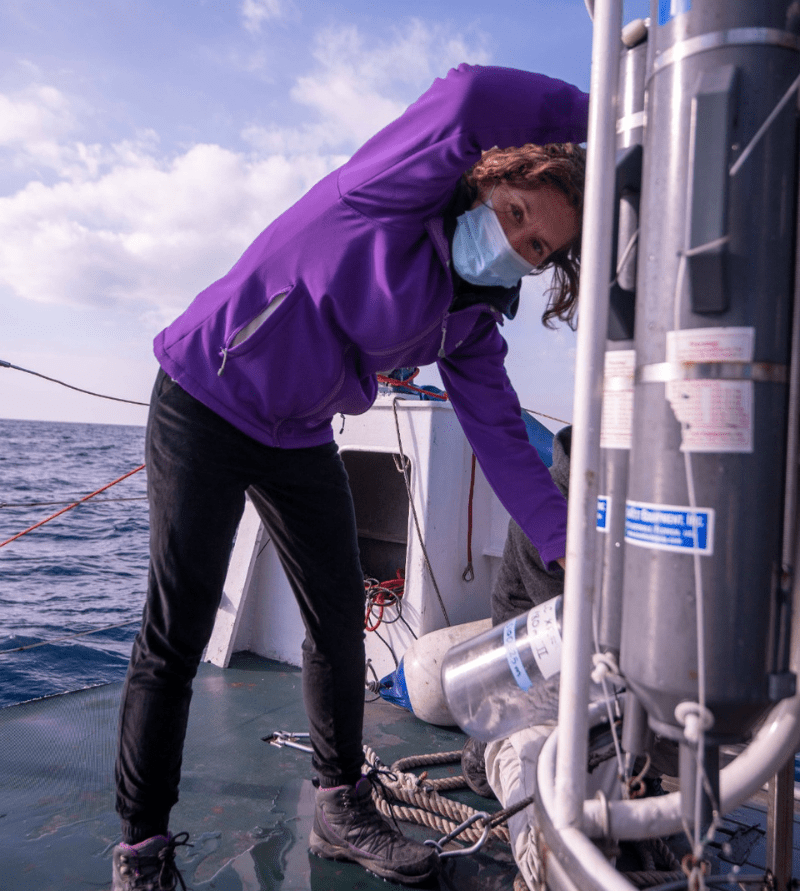
We attempt to understand how climate-driven changes affect processes that transport nutrients from the deep sea to the sunlit surface layers where photosynthesis takes place, as well as such processes by which these nutrients are consumed. Measurements are conducted down to 800 meters at a site located 15 nautical miles off the coast of Hadera and at another site off the coast of Sdot Yam, at a depth of 75 meters.
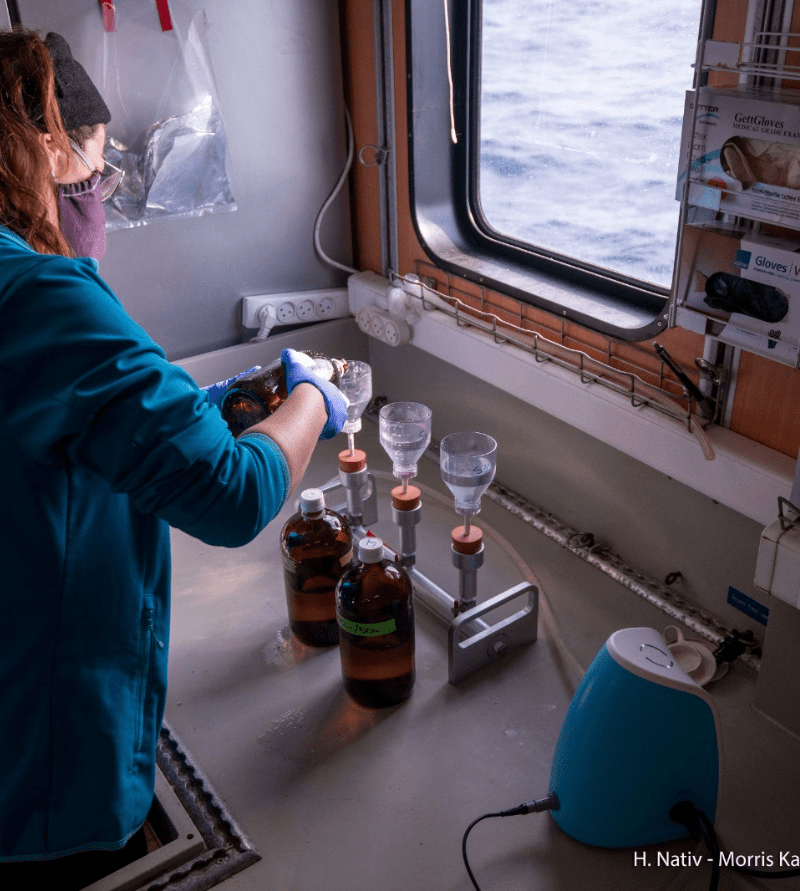
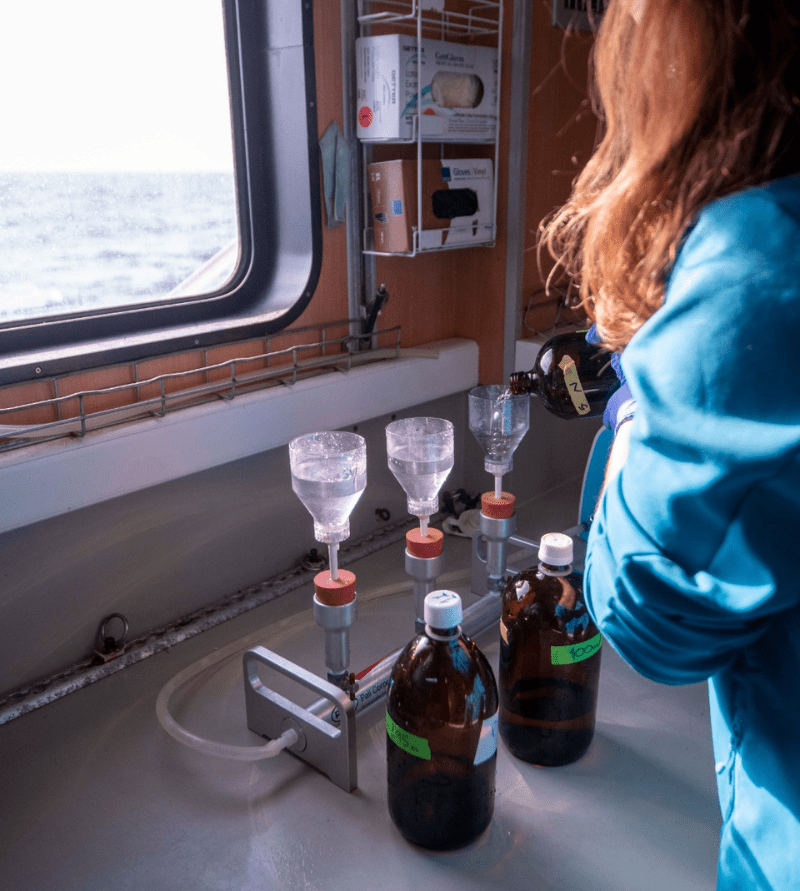
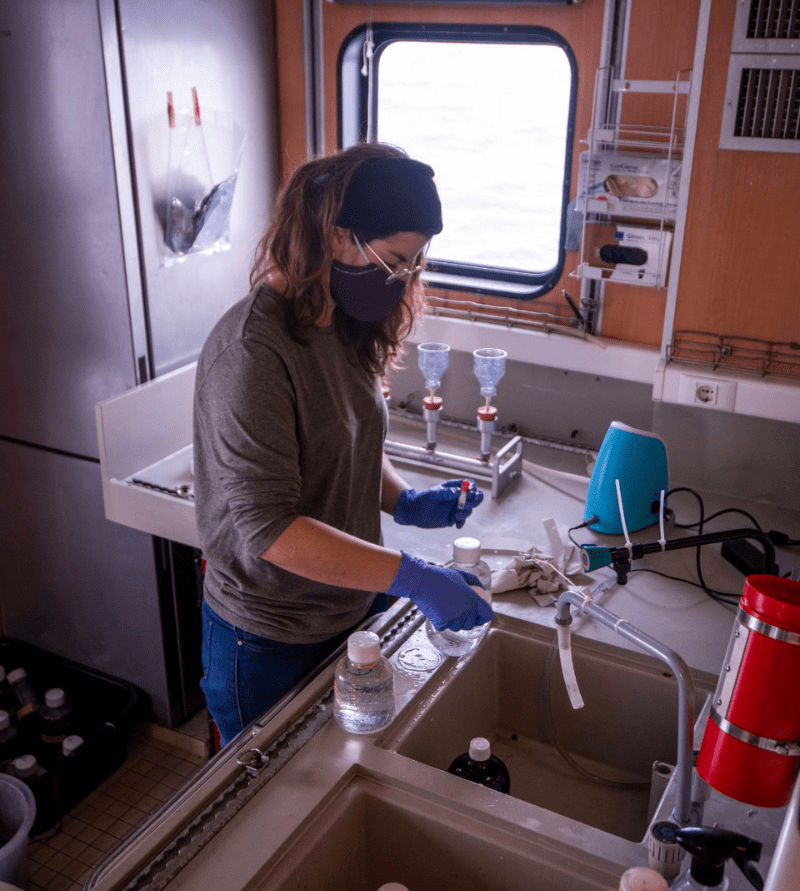
Researchers visit these stations about six times a year, collecting data on a broad range of parameters, including salinity, temperature, dissolved oxygen, turbidity, nutrient concentrations (silica, nitrogen, phosphorus, and ammonia), cell counts, chlorophyll levels, DNA samples for plankton community analysis, and water samples for enrichment experiments that measure nitrogen and ammonia consumption and assess the factors limiting primary production.