


Molecular Ecology Laboratory, Ariel University
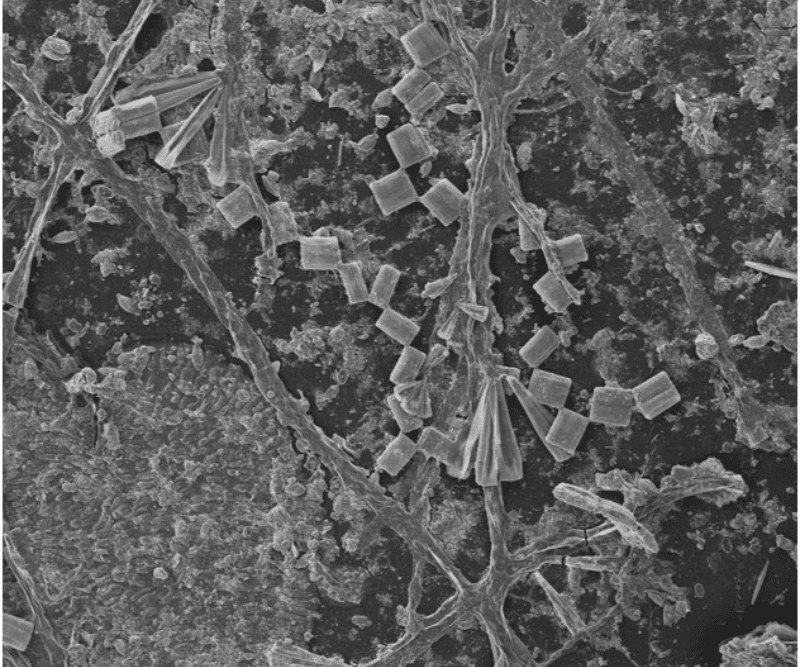
Plastic pollution is one of the major ecological challenges of the Anthropocene era. Particularly high concentrations of floating plastic particles are found in the Mediterranean waters off the coast of Israel. Because plastic is a durable and stable material, it offers an ideal surface for the colonization of diverse marine microorganisms. The populations of microorganisms colonizing these plastic particles create a new ecosystem – the Plastisphere – which impacts the marine environment as well as biogeochemical cycles in the sea and the atmosphere.
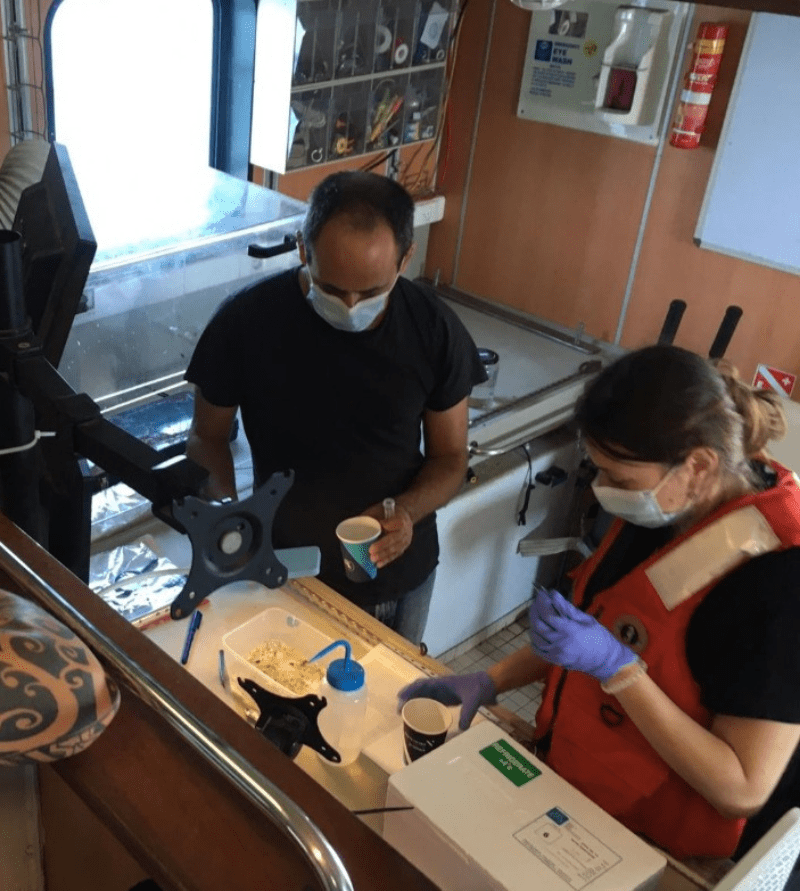
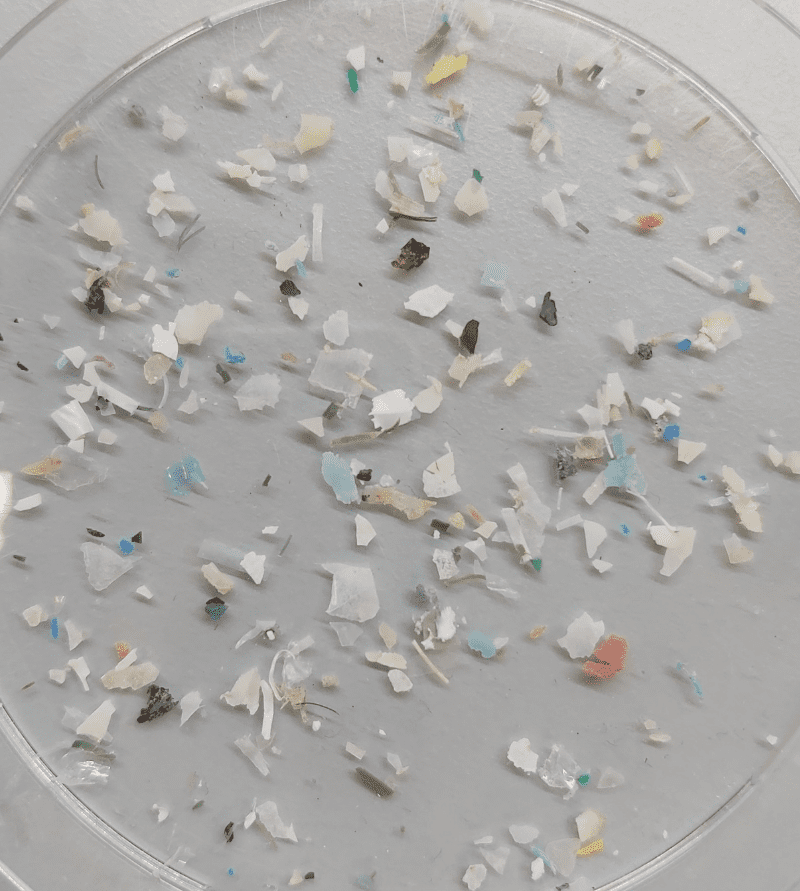
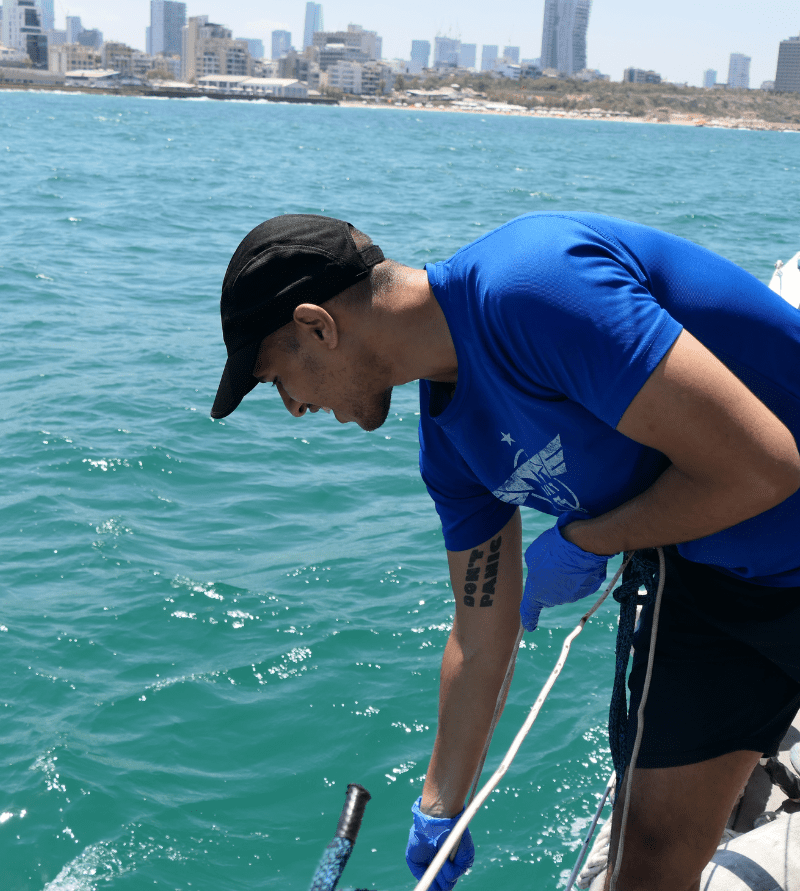
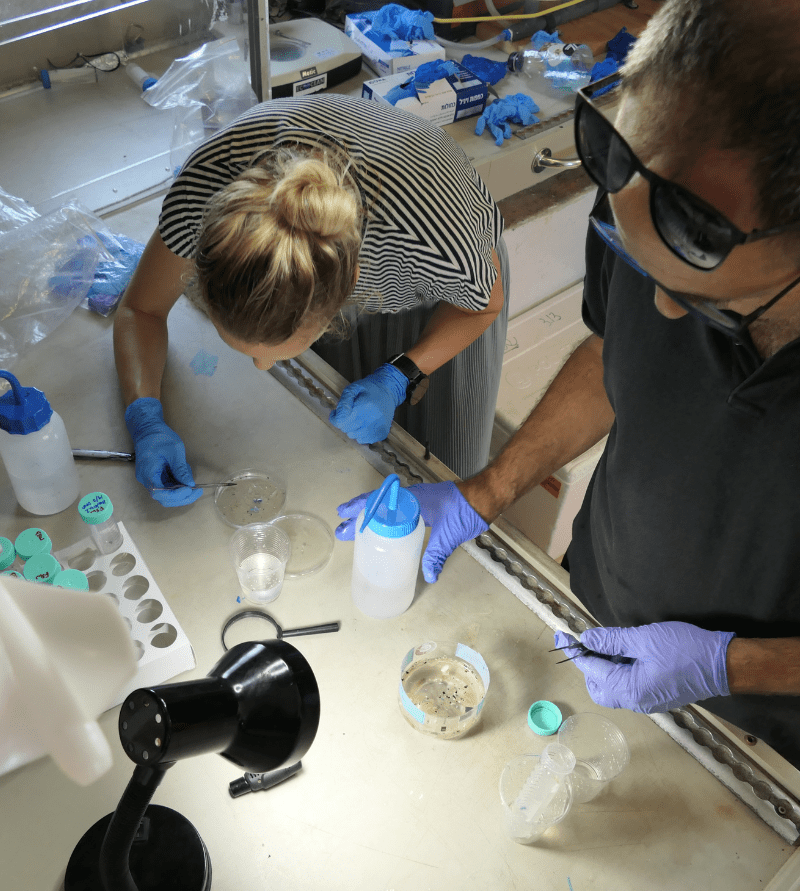
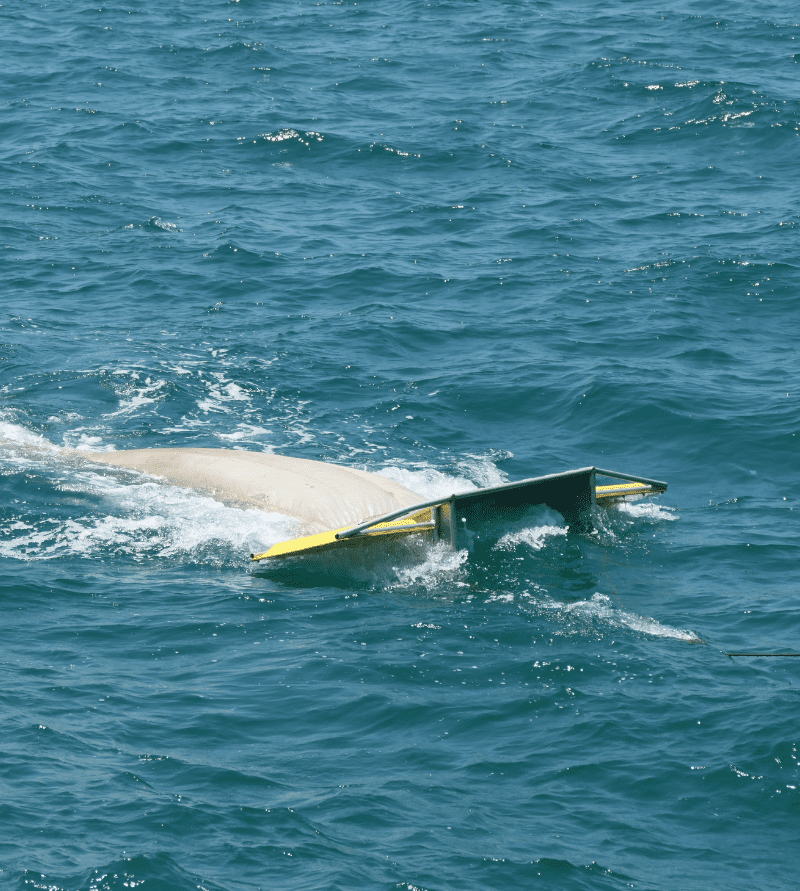
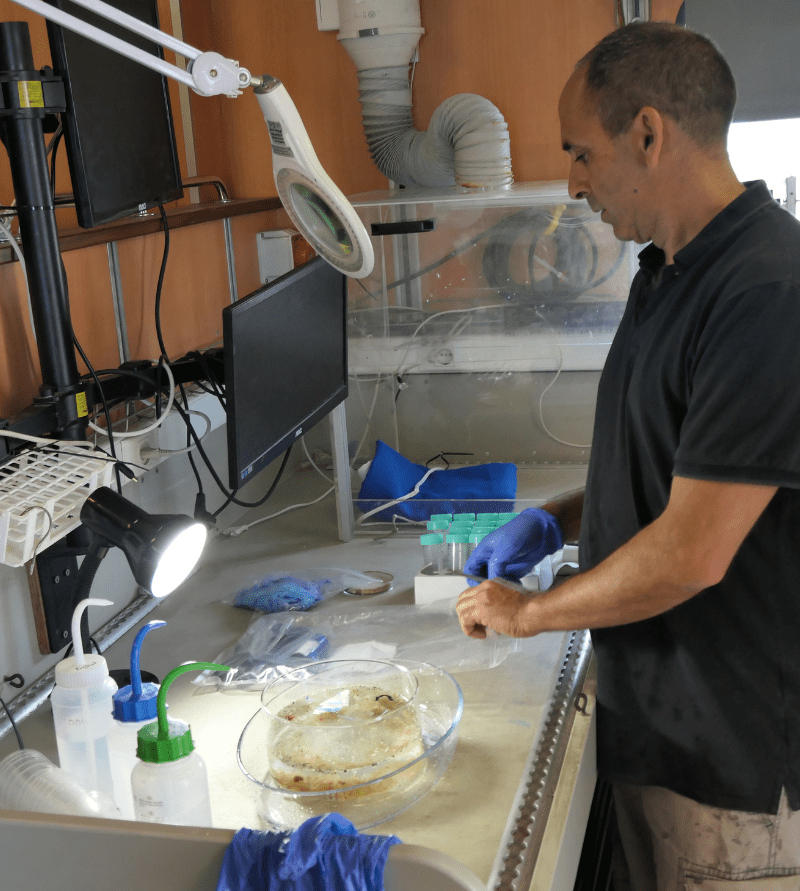
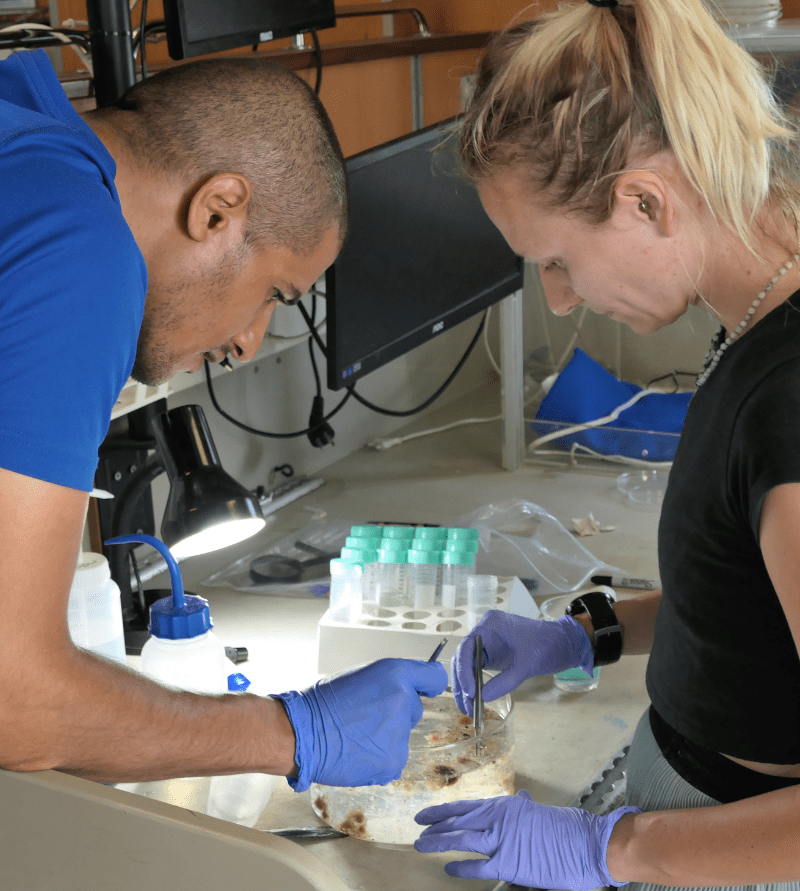
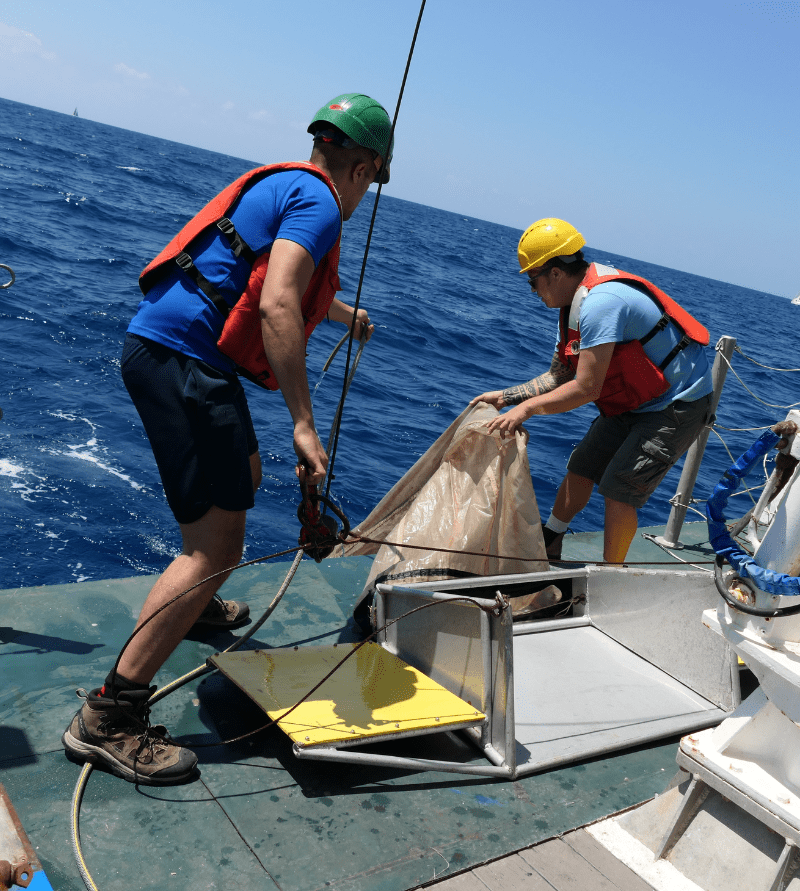
The research group led by Dr. Matan Oren from the Department of Molecular Biology at Ariel University samples microplastic particles (0.3–5 mm) from the sea surface and seafloor to characterize both their composition and the microbiome living on them. The particles are collected using a manta net towed by the MedEx research vessel, carefully rinsed with sterile seawater, and transported under refrigeration to the laboratory for DNA and RNA extraction.
Microbiome characterization is performed using an innovative approach based on Nanopore MinION sequencing, enabling high-resolution identification of bacterial, algal, fungal, and animal species [(Link to Article)].
The research is conducted in collaboration with a team from the University of Lisbon, led by Prof. Paula Sobral, and funded by the Ministries of Science of Israel and Portugal. The Portuguese team sampled microplastics in the Atlantic Ocean alongside sampling efforts along the Israeli coast to compare the distinct marine environments [(Link to Article 2)].
In addition, both field and laboratory experiments have been set up to examine bacterial and fungal colonization preferences for different plastic polymers [(Link to Article 3)].
The findings indicate a unique species composition within the Plastisphere that shows high seasonal stability compared to the surrounding seawater environment. This ecosystem is particularly rich in primary producers, including cyanobacteria and diatoms. Moreover, several species capable of degrading plastic polymers and alkane molecules have been identified and isolated. Follow-up research on pure cultures of these species aims to develop methods for the bioremediation of plastic and fuel waste.